A Wärmepumpe Kaufen Snapshot: Quick 2026 Status Update
1. Understanding Wärmepumpe: The Basics
A Wärmepumpe, or heat pump, is a versatile heating and cooling system designed to transfer heat from one location to another. Utilizing a refrigeration cycle, these devices can absorb heat from the environment or ground and release it indoors, making them an eco-friendly alternative to traditional heating methods. As climate change continues to influence energy policies, the demand for sustainable heating solutions, such as wärmepumpe kaufen, is on the rise.
What is a Wärmepumpe?
A Wärmepumpe operates by extracting heat from external sources, whether it be air, water, or the ground. This process involves the use of refrigerants that circulate through a closed loop, converting low-temperature energy into usable heat for your home. The efficiency of these systems is rated by their Coefficient of Performance (COP), which indicates how much heat energy is generated per unit of electricity consumed. With the right installation and maintenance, a Wärmepumpe can provide economical heating even in colder climates.
Types of Wärmepumpen Available
- Air-to-Air Wärmepumpe: Extracts heat from the ambient air and distributes it indoors via fans. Ideal for milder climates.
- Air-to-Water Wärmepumpe: Utilizes outside air to heat water, suitable for home heating via radiators or underfloor systems.
- Ground Source Wärmepumpe: Extracts heat from the ground through buried pipes, offering high efficiency but requiring more extensive installation.
- Water Source Wärmepumpe: Uses bodies of water as heat sources. Though efficient, installation is limited to properties near sufficient water sources.
Benefits of Installing a Wärmepumpe
Investing in a Wärmepumpe brings numerous advantages, including:
- Energy Efficiency: With efficiency ratings often exceeding 300%, they can significantly reduce energy expenses.
- Environmentally Friendly: As they use renewable energy sources, they can reduce your carbon footprint.
- Versatility: Many models can provide both heating and cooling, making them year-round systems.
- Low Maintenance: Compared to conventional systems, Wärmepumpen require less frequent servicing.
2. The Economic Impact of Wärmepumpe Kaufen
When considering a Wärmepumpe kaufen, it’s essential to evaluate the initial costs, potential savings, and available incentives. Understanding these aspects can lead to informed decisions that benefit both your wallet and the environment.
Average Costs Involved in Buying a Wärmepumpe
The price of a Wärmepumpe can range significantly based on its type, capacity, and installation requirements. On average, homeowners can expect to pay between €10,000 and €25,000 for a full system, including installation. This price may cover various elements, such as the heat pump unit, piping, and any necessary electrical work. However, while the upfront costs can be substantial, the long-term savings often justify the investment.
Government Incentives for Wärmepumpe Purchases
Various governments in Europe offer incentives for installing Wärmepumpen, making them more financially accessible. These may include direct subsidies, tax rebates, or low-interest loans aimed at promoting energy-efficient home upgrades. It’s advisable to research local programs that could significantly offset the initial outlay for a Wärmepumpe.
Long-term Savings: Energy Efficiency and Reduced Bills
By utilizing a Wärmepumpe, homeowners can witness a considerable reduction in energy bills. Due to their high efficiency, these systems require less energy to heat or cool a home compared to traditional heating methods. Over a period of years, the savings accrued can lead to a full return on investment, as well as additional cost benefits through lower carbon taxes and energy prices.
3. Selecting the Right Wärmepumpe for Your Home
Choosing the appropriate Wärmepumpe involves evaluating several factors. Each household’s needs differ based on size, geography, and heating requirements, making informed selection crucial.
Factors to Consider When Choosing a Wärmepumpe
- Climate: Your local climate plays a significant role in determining the type of system you should purchase. Colder regions may benefit from ground source systems, while milder climates might effectively utilize air-to-air models.
- House Size: It’s vital to select a system that matches the heating or cooling requirements of your home. An underpowered unit will struggle, while an overpowered one may lead to inefficiencies.
- Installation Space: Sufficient space for outdoor modules or ground installations is necessary. Check local zoning regulations regarding placement and installation options.
- Budget: Beyond the purchase price, consider operating costs and potential savings. Some higher-end models may offer significant long-term savings.
Size and Capacity: Finding the Perfect Fit
To achieve maximum efficiency, determining the right size and capacity for your Wärmepumpe is essential. This generally involves calculating the heating/cooling load of your home, which should be performed by a qualified technician. Using the correct size ensures optimal performance and energy usage.
Top Brands for 2026 Wärmepumpe Buying
As the market for Wärmepumpen evolves, several brands have established themselves as leaders in quality and technology. Some top brands to consider for purchasing in 2026 include:
- Viessmann: Known for its innovative technology and high efficiency.
- Bosch: Offers a range of reliable and energy-efficient systems.
- Stiebel Eltron: Renowned for integrating advanced features at competitive prices.
- Vaillant: Focuses on environmentally friendly solutions and sustainability.
4. Installation Process: What to Expect?
Once you’ve selected a Wärmepumpe, understanding the installation process is the next step. Proper installation is critical for system longevity and efficiency.
Finding Qualified Technicians for Installation
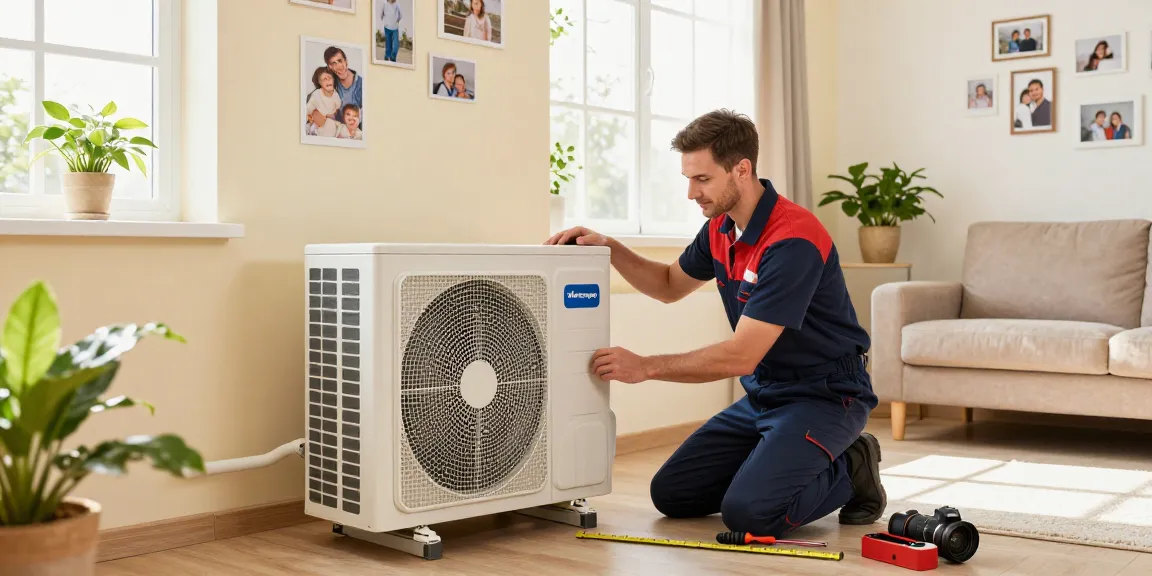
Choosing a qualified technician is essential for a successful installation. Look for licensed professionals with experience in heat pump installation, positive reviews, and relevant certifications from recognized industry organizations. Getting multiple quotes can also help ensure a competitive price.
Step-by-Step Guide to the Installation Process
- Site Assessment: A technician will assess your property, discuss your needs, and determine the best system for you.
- System Selection: Based on the assessment, they will help you select the appropriate Wärmepumpe.
- Installation Preparation: This includes gathering necessary permits and preparing the site.
- System Installation: The heating system is installed, including any necessary electrical and plumbing work.
- Testing and Commissioning: After installation, the system will be tested to ensure it operates effectively.
Post-Installation Considerations and Maintenance
Once your Wärmepumpe is installed, routine maintenance is essential for optimal performance. Schedule annual inspections to keep the system running efficiently and to identify any potential issues early. This proactive approach can extend the life of your system and maximize energy savings.
5. Future Trends in Wärmepumpe Technology
The Wärmepumpen industry is continuously evolving, with innovations aimed at improving efficiency, user experience, and sustainability.
Emerging Innovations in Wärmepumpen for 2026
Future Wärmepumpen models are expected to incorporate smarter technology, including IoT connectivity to allow homeowners to monitor and control systems remotely. Enhanced insulation materials and more efficient compressors will also drive up system performance while reducing energy consumption.
Environmental Impact and Sustainability Efforts
As energy regulations tighten globally, the Wärmepumpen sector is focusing more on sustainability. New refrigerants with lower global warming potentials are being adopted, and manufacturers are emphasizing environmentally responsible production methods.
Consumer Preferences Shaping Future Products
Consumer demand is shifting toward more integrated home heating solutions. Future Wärmepumpen may include features such as smart home compatibility, integrated renewable energy sources, and enhanced aesthetic designs to complement modern home interiors.
Is a Wärmepumpe Right for Your Home?
While Wärmepumpen offer many benefits, this technology may not suit every homeowner’s situation. It is crucial to assess your specific needs, energy consumption patterns, and local climate to determine if investing in a Wärmepumpe is the right choice for you.
What Are the Most Common Misconceptions?
Many misconceptions exist regarding Wärmepumpen, primarily around their efficiency and performance in colder climates. It’s important to understand that modern designs have improved efficiency levels, allowing them to perform adequately even in sub-zero temperatures.
How Do Wärmepumpen Compare to Traditional Heating Systems?
In comparison to traditional heating systems such as gas or oil boilers, Wärmepumpen offer higher efficiency ratings, lower operational costs in many situations, and a significantly reduced environmental impact. For environmentally conscious homeowners, they represent a future-proof heating solution.