
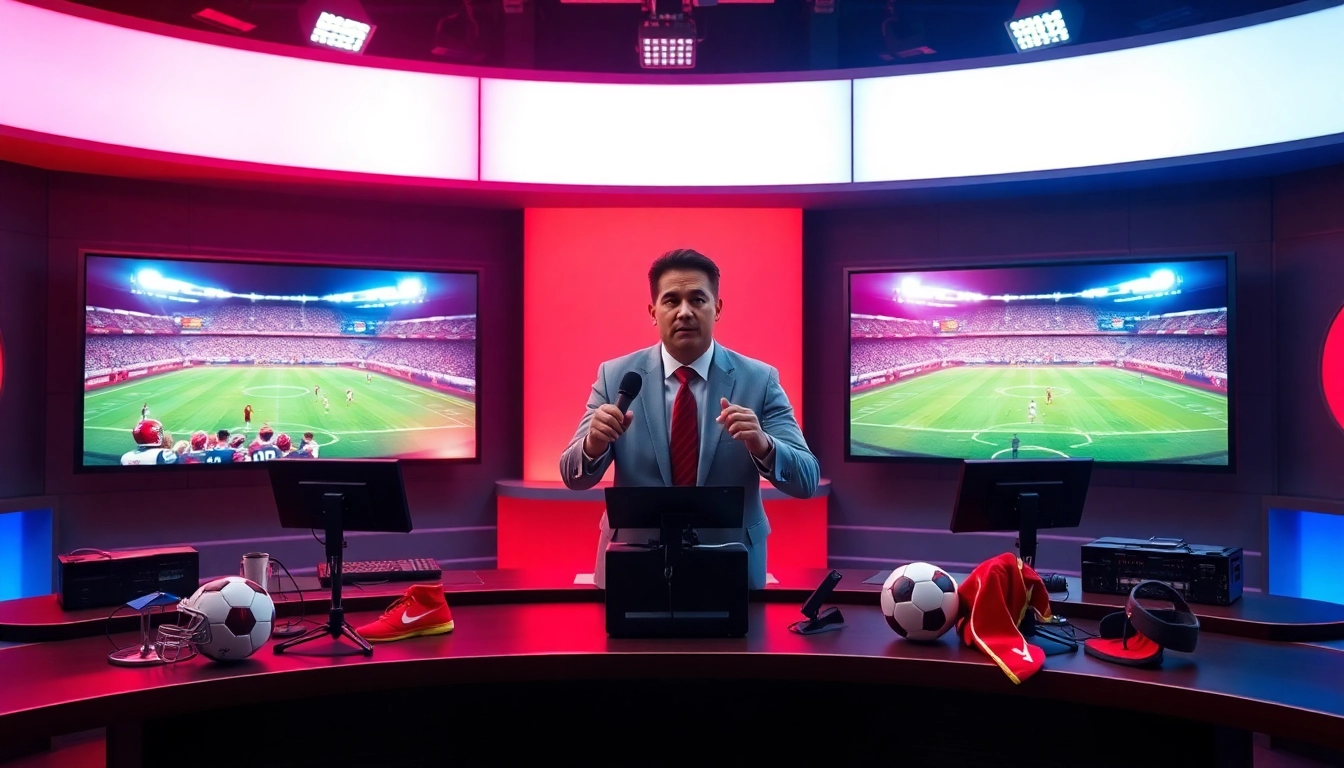
The Role of Sports Broadcasting in Today’s Media Landscape
Understanding Sports Broadcasting
Definition and Scope
Sports broadcasting encompasses the distribution of sports-related content via television, radio, online streaming, and other media platforms. It serves as a crucial avenue for fans to connect with their favorite sports teams and events. The scope of sports broadcasting extends to live coverage, highlights, news updates, and analysis, thereby offering a comprehensive view of the sports landscape. As a growing field, Sports Broadcasting is influenced by advancements in technology and changing viewer habits, constantly evolving to deliver enhanced experiences.
Types of Sports Broadcasting
Sports broadcasting can be divided into several key types, each catering to various audience segments:
- Live Broadcasting: This includes real-time coverage of sports events through traditional means like television and radio as well as online platforms.
- Pre-recorded Content: Highlights, documentaries, and analysis shows that provide insights into games, teams, and player performances.
- Commentary and Analysis: Expert analyses and commentary add depth to broadcasts, assisting viewers in understanding strategies, statistics, and trends.
- Interactive Broadcasting: Engaging the audience through polls, predictions, and live interactions via social media platforms enhances viewer participation.
Importance of Quality Content
Delivering high-quality content is fundamental in sports broadcasting. Quality impacts viewer engagement, retention, and overall satisfaction. Viewers demand not just thrilling visuals but also accurate statistics, insightful commentary, and a holistic understanding of the sports culture involved. To stand out, sports broadcasters must invest in professional-grade equipment, top-notch commentary teams, and innovative production methodologies that prioritize the viewer experience. Clear graphics, engaging story arcs, and charismatic presenters enhance the appeal of sports programming.
Technology Behind Sports Broadcasting
Broadcasting Equipment Overview
The success of sports broadcasting relies heavily on sophisticated broadcasting equipment. Key components include:
- Cameras: High-definition cameras capture the action with clarity, while advanced multi-camera setups provide dynamic viewing angles.
- Audio Equipment: Quality microphones and soundboards ensure optimal audio mixing, capturing on-field sounds and commentary clearly.
- Transmission Gear: Satellite and cable transmission systems distribute content to viewers across various locations.
- Editing Software: Post-production allows for creating highlights and analyses, ensuring both real-time and after-the-fact updates.
Emerging Technologies
As technology continues to advance, several innovations are revolutionizing sports broadcasting:
- Even Higher Resolutions: The transition to 4K and 8K broadcasts offers viewers unprecedented detail.
- Drone Cameras: Drones provide unique aerial shots, enhancing the visual appeal and engagement levels of sports broadcasts.
- Artificial Intelligence: AI is being utilized for real-time data analysis, automated editing, and augmented reality features that enrich the viewing experience.
- Cloud Technologies: Broadcasting can now leverage cloud storage and processing to enhance flexibility in content management and distribution.
Streaming vs. Traditional Broadcasting
The debate between streaming and traditional broadcasting has significant implications for the sports industry. Streaming provides flexibility, allowing viewers to watch games at their convenience, on any device, while traditional broadcasting often reaches wider audiences instantly. The key difference lies in the distribution method; streaming typically relies on the internet, while traditional broadcasting uses established cable and satellite channels. As consumer behavior shifts towards on-demand content, understanding the nuances between the two becomes vital for broadcasters looking to optimize their strategies.
Key Players in Sports Broadcasting
Networks and Channels
Numerous networks and channels play pivotal roles in sports broadcasting, each with its unique offerings:
- National Networks: Major television networks deliver broad coverage, often acquiring exclusive broadcasting rights to high-profile sports.
- Regional Sports Networks: These cater to local audiences, focusing on regional teams and events, providing in-depth coverage and analysis.
- Online Streaming Services: Emerging platforms offer live sports alongside on-demand content, appealing to a tech-savvy audience.
- Sports-Niche Channels: Specialized channels focus exclusively on specific sports, creating a dedicated viewing experience for fans.
Sports Commentators and Analysts
The effectiveness of sports broadcasts is significantly influenced by commentators and analysts who provide context, insights, and entertainment. Their expertise elevates viewer understanding and enhances the storytelling aspect of broadcasts. Well-respected commentators can elevate the perceived value of a broadcast, drawing in larger audiences and contributing to brand loyalty.
Production Teams
Behind every successful sports broadcast is a dedicated production team responsible for coordinating all elements of the event. From directors and producers to camera operators and graphics teams, a well-oiled production team ensures seamless delivery, balancing technical expertise with creative storytelling. Their collaboration is crucial, especially during live events where timing and accuracy are essential.
Challenges in Sports Broadcasting
Rights Management Issues
Rights management is a complex but pivotal aspect of sports broadcasting. Given the lucrative nature of sports content, companies often engage in fierce negotiations for broadcasting rights. Issues can arise over exclusivity, territorial rights, and licensing agreements, complicating the broadcasting landscape. Ensuring compliance with these rights while delivering content to viewers is a key challenge for broadcasters.
Audience Engagement Strategies
Retaining audience attention in the highly competitive landscape of sports broadcasting requires innovative engagement strategies. Broadcasters must leverage interactive technologies, gamify viewing experiences, and harness the power of social media to enhance viewer participation. This can include fan-vote polls during broadcasts, interactive graphics, and real-time statistics displayed on-screen to keep audiences engaged.
The Impact of Social Media
Social media is a transformational force in the realm of sports broadcasting. Fans actively engage in discussions, share their views, and create content surrounding sports events, significantly influencing broadcasting dynamics. Social media platforms can be utilized to amplify broadcasting reach, promote events, and provide behind-the-scenes content, offering a richer context for viewers. Understanding this impact is essential for future broadcasting strategies, as it shapes how audiences consume sports content.
The Future of Sports Broadcasting
Trends in Viewer Preferences
As viewer preferences evolve, sports broadcasters must adapt to the changing demands. Audiences are increasingly seeking personalized experiences, interactive features, and diverse content formats. Broadcasters should focus on investing in analytics to understand viewer preferences and tailor broadcasts accordingly, enhancing engagement and satisfaction.
Integration of AR and VR
Augmented Reality (AR) and Virtual Reality (VR) are on the forefront of enhancing the live sports viewing experience. These technologies offer immersive experiences, allowing fans to engage with content in unprecedented ways, such as viewing stats overlaid on live action or experiencing games from the perspective of players. As technology becomes more accessible, the integration of AR and VR may redefine the boundaries of sports broadcasting.
Predictions for the Industry
The future of sports broadcasting will likely see a continued convergence of content types, platforms, and technologies. With an emphasis on personalization and interactivity, broadcasters may need to embrace multi-platform strategies incorporating streaming, social media, and traditional broadcasting. Adapting to technological advancements will be critical for sustaining viewer interest and enhancing overall experiences.
FAQs
What is Sports Broadcasting?
Sports broadcasting refers to the distribution of sports content, including live games, analyses, and highlights across various media channels like TV, radio, and streaming services.
How has technology impacted sports broadcasting?
Technology has revolutionized sports broadcasting with innovations like high-definition cameras, streaming platforms, and interactive features, enhancing viewer engagement and experience.
What are the main types of sports broadcasting?
The main types include live broadcasting, pre-recorded content, commentary, and interactive broadcasting, each targeting different audience needs and preferences.
What challenges do broadcasters face?
Broadcasters face challenges like rights management, audience engagement, and adapting to technological changes, all crucial for maintaining competitive advantages.
What is the future of Sports Broadcasting?
The future of sports broadcasting may focus on personalization, integration of AR and VR technologies, and a shift towards multi-platform content delivery to engage audiences better.
